The Flow of Energy in the Human Body
Understanding Energy Metabolism and ATP Production
Introduction to Energy Flow
Energy is central to all biological processes. Every cellular activity—from muscle contraction to neurotransmitter production—requires energy. Understanding how the body obtains, processes, and utilizes energy is fundamental to comprehending human physiology.
The human body does not store energy in the same form that food provides. Instead, through complex metabolic processes, chemical energy from food is converted into a usable energy currency that cells can access: adenosine triphosphate (ATP).
The Energy Currency: ATP
What is ATP
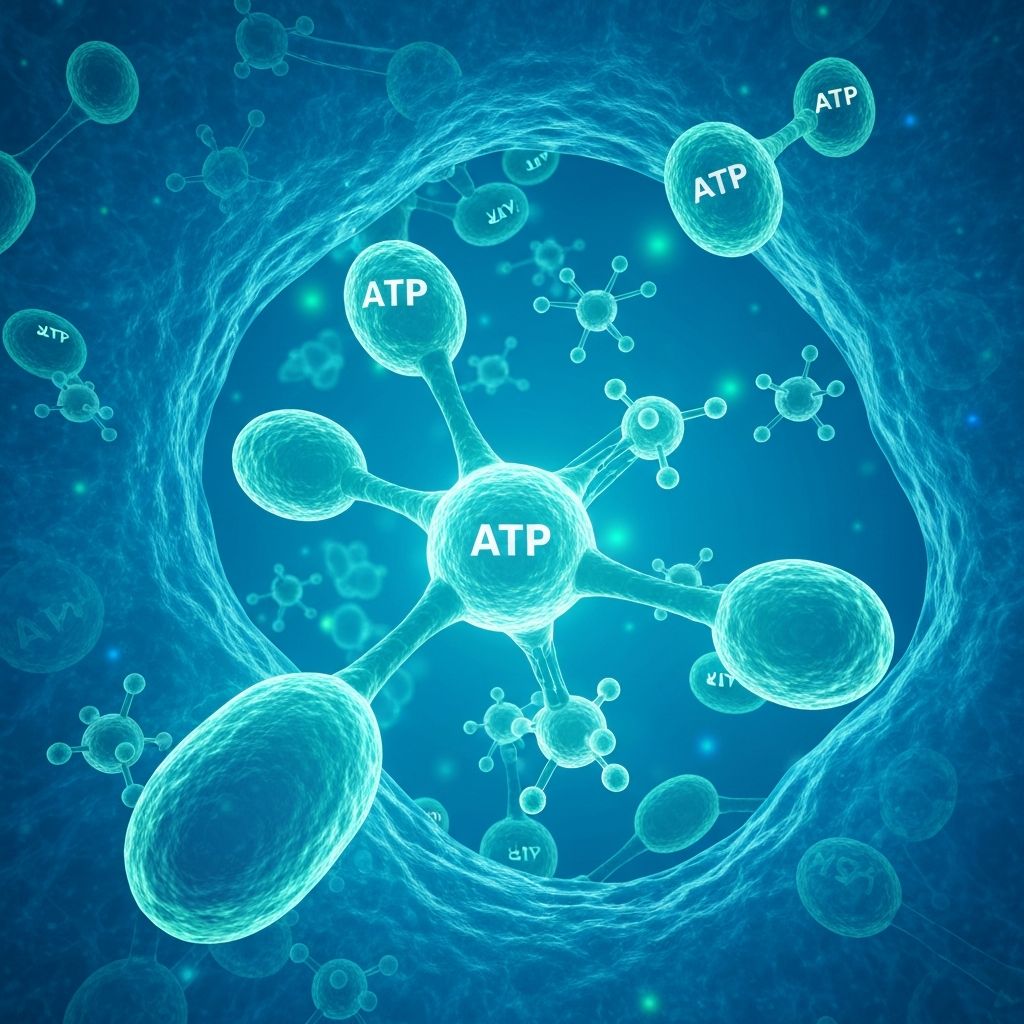
Adenosine triphosphate (ATP) is the primary energy molecule used by all cells. When cells need energy, they break bonds in ATP molecules, releasing energy that powers specific cellular processes. Once used, the depleted ATP molecule (now adenosine diphosphate, or ADP) can be recycled and recharged.
This cycle is continuous throughout life. Cells are constantly producing ATP from food-derived nutrients and constantly using that ATP to power cellular functions. The balance between ATP production and ATP consumption determines energy availability for various body functions.
Energy Available and Energy Stored
Not all energy from food is immediately available to cells. Some energy is stored in chemical bonds and released gradually. The body stores excess energy primarily as glycogen in muscle and liver, and as fat in adipose tissue. These storage forms serve as energy reserves that can be mobilized when immediate food intake does not provide sufficient energy.
Metabolic Pathways for Energy Production
Three macronutrients—carbohydrates, proteins, and fats—provide energy. Each follows distinct metabolic pathways:
Carbohydrate Metabolism
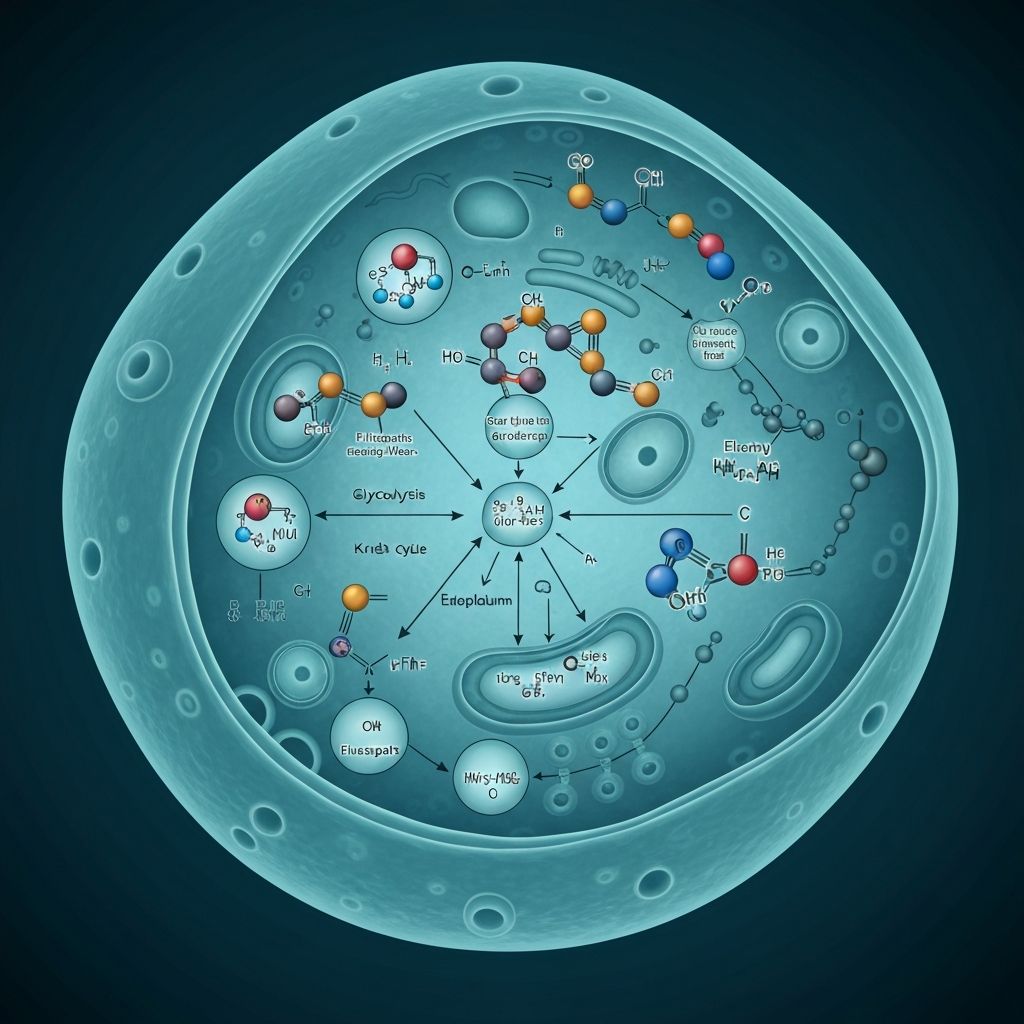
Carbohydrates are broken down into glucose. Through a process called glycolysis, glucose is converted into pyruvate, generating ATP in the process. Pyruvate then enters the mitochondria where additional energy extraction occurs through the citric acid cycle (Krebs cycle) and oxidative phosphorylation. Carbohydrates provide quick energy and are the brain's preferred fuel source.
Protein Metabolism
Proteins are broken into amino acids. While proteins' primary role is building and maintaining body tissues, amino acids can be converted to energy when needed. Deamination removes the nitrogen group, and the carbon skeleton enters various points in the citric acid cycle. Protein is less efficient as a primary energy source than carbohydrates or fats.
Fat Metabolism
Fats are broken into glycerol and fatty acids. Fatty acids undergo beta-oxidation, a process that extracts energy systematically from the fatty acid chain. This produces significant quantities of ATP, making fat an energy-dense fuel source. The body preferentially stores excess energy as fat because fat provides more than twice the energy per gram compared to carbohydrates or protein.
The Citric Acid Cycle and Electron Transport
The citric acid cycle (also called the Krebs cycle or TCA cycle) is central to energy metabolism. This enzymatic cycle occurs in the mitochondria and extracts energy from nutrients in the form of electrons and hydrogen atoms. These energy-carrying molecules (NADH and FADH2) then participate in electron transport and oxidative phosphorylation, which produces the majority of ATP from nutrient breakdown.
The efficiency of this process—how much ATP is produced from each nutrient molecule—determines how well the body can extract energy from food. Variations in mitochondrial function, enzyme activity, and metabolic efficiency contribute to individual differences in energy metabolism.
Basal Metabolic Rate and Energy Expenditure
Energy Required at Rest
Even at rest, the body requires continuous energy. Basal metabolic rate (BMR) represents the energy expenditure needed to maintain basic physiological functions: cellular processes, breathing, circulation, kidney and liver function, nervous system activity, and body temperature maintenance.
Basal metabolic rate is influenced by body composition, age, sex, hormonal status, genetics, and environmental temperature. Greater muscle mass supports higher BMR because muscle tissue is metabolically active. Age typically reduces BMR gradually. Men generally have higher BMR than women due to differences in body composition. Certain hormonal conditions significantly affect metabolic rate.
Total Energy Expenditure
Beyond basal metabolism, energy is expended through physical activity and the thermic effect of food (the energy required to digest, absorb, and process nutrients). Total daily energy expenditure determines how much energy must be obtained from food to maintain energy balance.
Energy Balance and Body Composition
Energy balance describes the relationship between energy intake and energy expenditure. When intake and expenditure are equal, energy is balanced. Imbalance—either surplus or deficit—influences how the body stores or mobilizes energy.
This balance is far more complex than simple arithmetic because the body actively regulates appetite, metabolic rate, and energy storage in response to intake patterns. Hormonal systems including leptin, ghrelin, insulin, and cortisol continuously regulate energy-related processes. The body adjusts energy expenditure in response to prolonged energy deficit, making weight management more complex than intake-expenditure equations suggest.
Factors Influencing Energy Metabolism
Individual variations in how efficiently the body produces and uses energy are significant:
- Genetics: Inherited differences in enzyme activity and metabolic efficiency
- Muscle mass: Active tissue with higher metabolic demands
- Age: Metabolic rate typically declines with age
- Hormonal status: Thyroid, cortisol, growth hormone, and sex hormones all affect metabolism
- Physical activity: Both the activity itself and adaptations to training affect metabolic rate
- Sleep quality: Affects hormonal regulation of metabolism
- Stress: Chronic stress alters hormonal patterns affecting metabolism
- Environmental temperature: Cold exposure increases metabolic demands
- Certain medications: Can influence metabolic rate
- Health conditions: Various disorders affect metabolic function
This article explains energy metabolism mechanisms. Individual energy needs vary significantly based on the factors listed above. This information is educational and does not constitute personalized advice about energy intake or expenditure.